
Human Capital Wellbeing and Organizational Transformation
Over the past decade, organizations have invested heavily in employee satisfaction programs—competitive salaries, benefits packages, and workplace perks. Yet despite these efforts, many companies continue to face disengagement, burnout, and rising turnover.
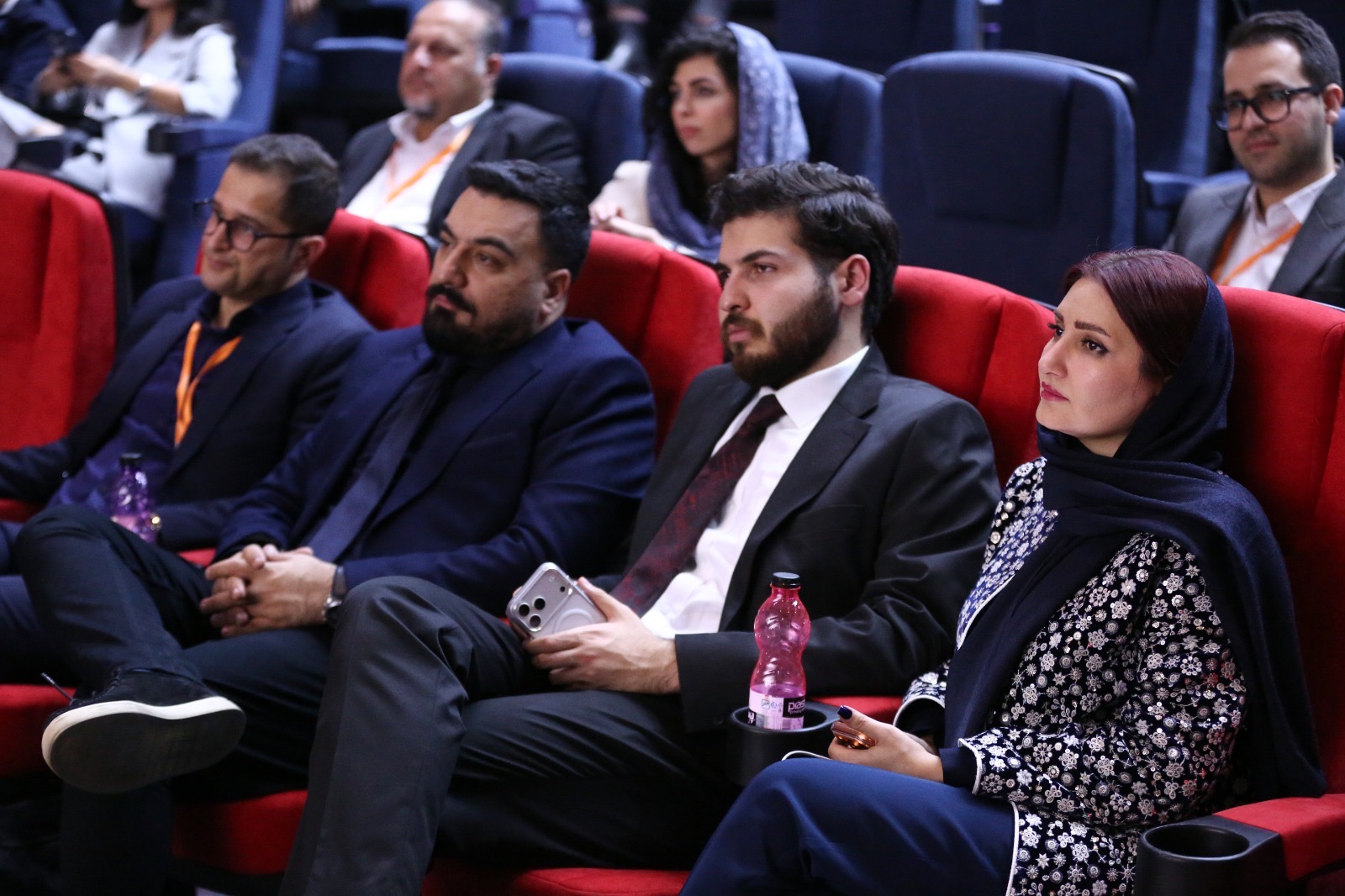
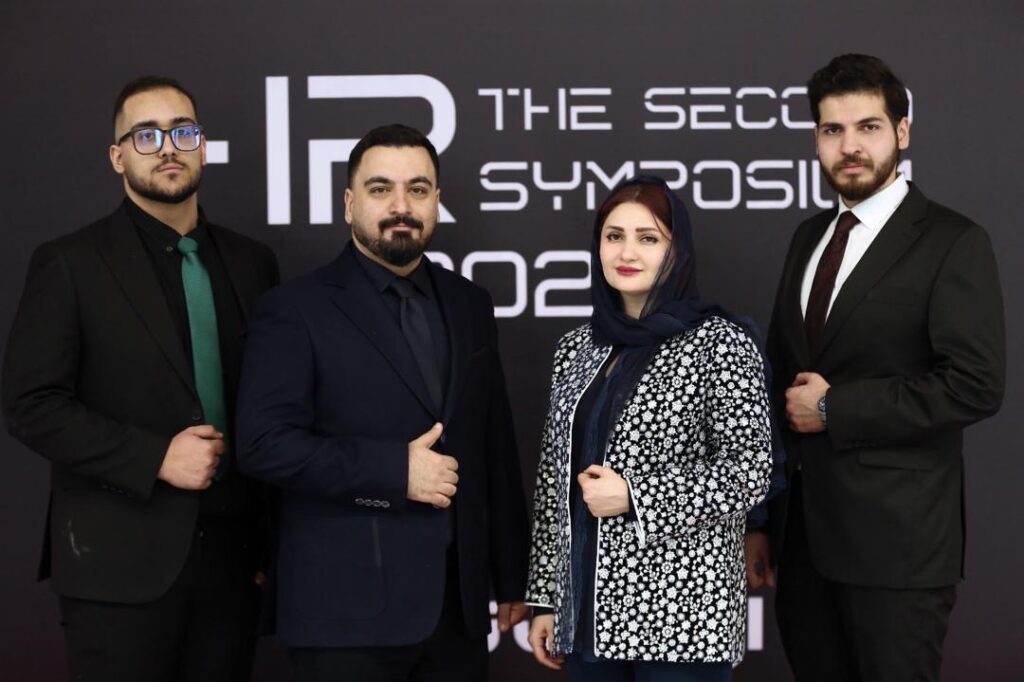
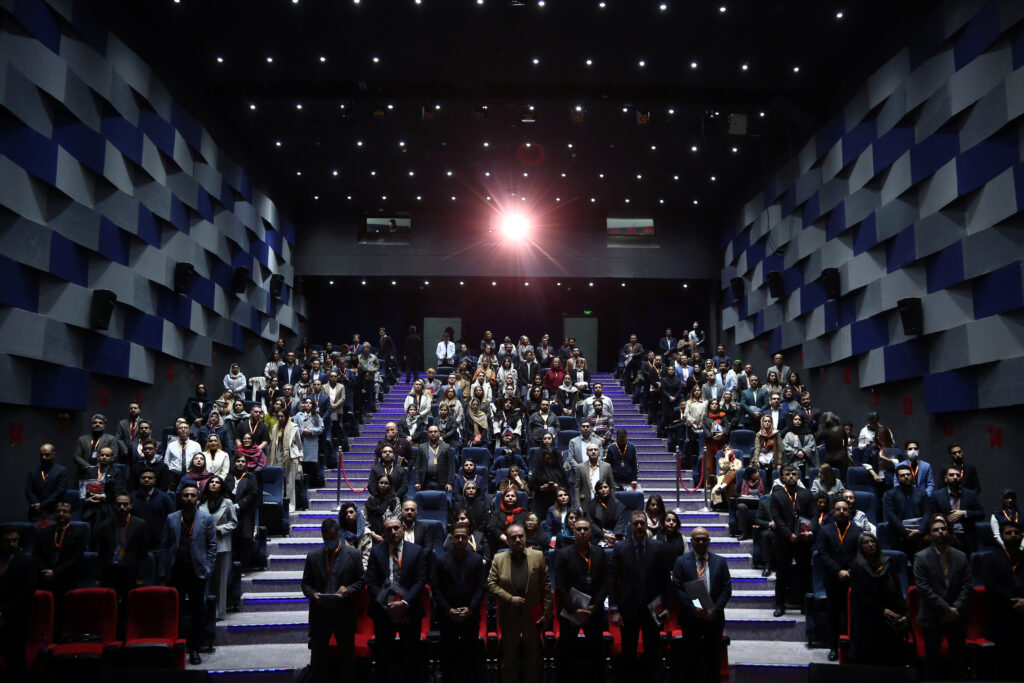
A growing consensus is emerging: satisfaction alone is no longer enough. What employees increasingly seek is meaning. This shift was at the heart of discussions during the Second Human Capital Symposium, which focused on the evolving role of wellbeing in organizational transformation.
The Shift from Satisfaction to Meaning
Traditional HR models emphasized stability, compliance, and efficiency. Satisfaction surveys measured whether employees were content, but rarely explored whether their work felt purposeful.
Today’s workforce—especially younger generations—expects more. Meaningful work includes:
- A sense of purpose and contribution
- Psychological safety and trust
- Alignment between personal values and organizational mission
- Opportunities for growth and impact
When these elements are missing, even well-compensated employees disengage. This realization is driving a fundamental rethinking of human capital strategies.
Wellbeing as a Strategic Lever, Not a Benefit
One of the strongest messages from the symposium was clear: wellbeing is no longer a peripheral HR initiative. It has become a strategic lever that directly influences productivity, innovation, and resilience.
Organizational wellbeing now spans multiple dimensions:
- Physical wellbeing: health, energy, and sustainable workloads
- Mental wellbeing: stress management, clarity, focus
- Emotional wellbeing: belonging, recognition, empathy
- Professional wellbeing: learning, autonomy, career meaning
Companies that integrate these dimensions into leadership practices and organizational design outperform those that treat wellbeing as a standalone program.
The Evolving Role of HR Leaders
As organizations move toward meaning-centered models, the role of HR is evolving rapidly. HR leaders are no longer just administrators or policy enforcers.
Instead, they are becoming:
- Architects of employee experience
- Stewards of organizational culture
- Partners in strategic transformation
This requires new capabilities—systems thinking, data-driven decision-making, and a deep understanding of human behavior.
Why Meaning Drives Performance
Research consistently shows that meaningful work improves engagement, reduces absenteeism, and strengthens retention. Employees who understand why their work matters are more likely to take ownership and innovate.
Meaning also acts as a buffer during uncertainty. In times of organizational change or economic pressure, purpose helps employees remain committed even when conditions are challenging.
Implications for Organizational Transformation
True transformation cannot be achieved through technology or structure alone. It requires cultural alignment and human commitment.
Organizations that succeed in the next decade will be those that:
- Design work around human needs, not just processes
- Embed wellbeing into leadership accountability
- Measure success beyond short-term efficiency metrics
- Create environments where meaning and performance reinforce each other

Conclusion: Human Capital as a Strategic Asset
The conversations at the Second National Human Capital Symposium reflected a broader global trend: human capital is no longer viewed as a cost to be managed, but as a strategic asset to be cultivated.
Moving from satisfaction to meaning is not a soft ideal—it is a competitive necessity. Organizations that embrace this shift will be better positioned to attract talent, adapt to change, and sustain long-term performance.
Written by Amin Forouzesh, Digital Transformation Consultant
aminforouzesh.ir