
AI in Healthcare Data: Driving the Future of Digital Health
AI in Healthcare Data is transforming the global healthcare landscape at an unprecedented pace. As medical systems become increasingly digital, the role of artificial intelligence in healthcare and the integration of massive datasets have become crucial. From wearables such as Apple Watch and Oura Ring to predictive analytics in hospitals, data-driven healthcare is not only improving patient outcomes but also redefining the future of medicine. In this article, we will explore how AI is revolutionizing healthcare data, the benefits it brings, the challenges it faces, and how industry leaders like Amin Forouzesh emphasize its significance in digital transformation strategies.
Understanding AI in Healthcare Data
At its core, AI in healthcare data refers to the application of machine learning, natural language processing, and predictive modeling to analyze vast amounts of medical and lifestyle information. Traditional healthcare systems relied heavily on manual analysis and human judgment. While essential, these approaches were limited in scope and scale. With AI, however, healthcare professionals can now process terabytes of patient data within seconds, identifying patterns and correlations that would otherwise remain hidden.
The Importance of Data in Modern Healthcare
Healthcare today is fueled by data—from electronic health records (EHRs) and genetic information to lifestyle tracking and real-time monitoring. The more accurate and comprehensive the data, the more effective medical decisions become. For example, AI algorithms trained on diverse datasets can detect early signs of cancer, predict cardiovascular risks, or recommend personalized treatment plans. According to recent studies, AI-powered diagnostics already surpass human accuracy in areas like radiology and dermatology.
Wearables: A New Era of Data Collection
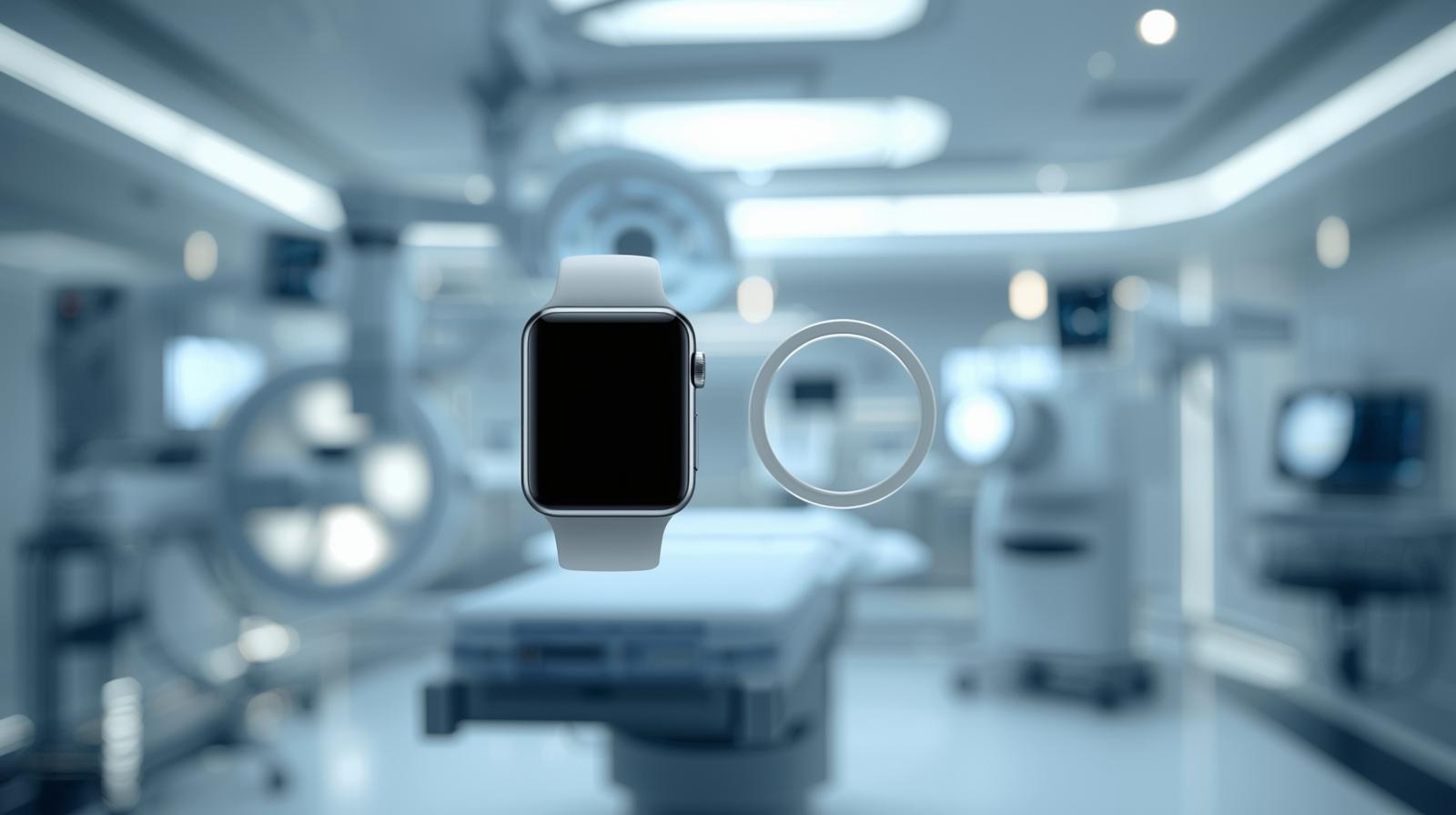
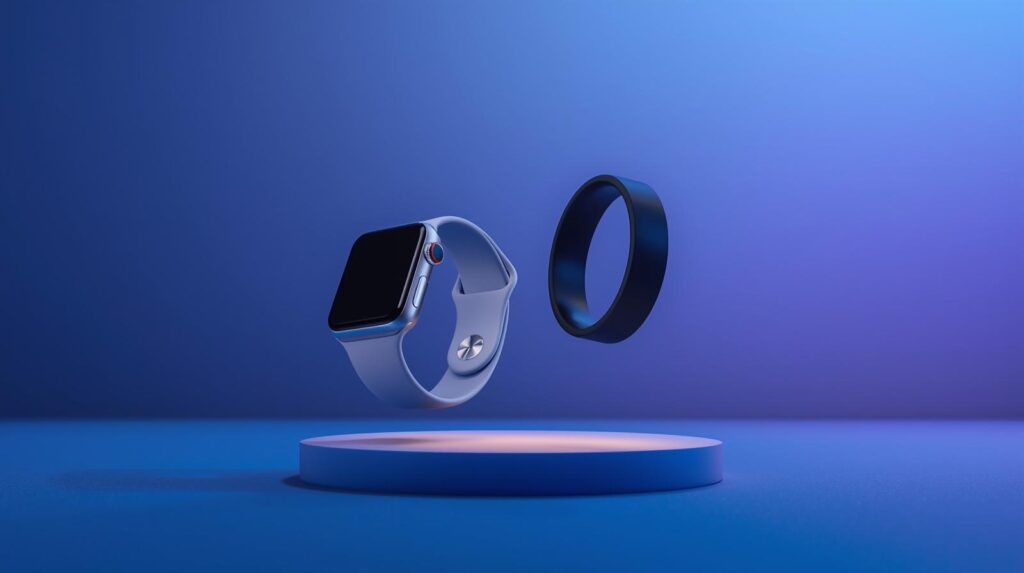
One of the most visible impacts of AI in healthcare data comes from wearables. Devices such as smartwatches, rings, and fitness trackers continuously collect biometric information, offering insights into a user’s overall health. The following examples illustrate this transformation:
Apple Watch
The Apple Watch includes ECG functionality, enabling users to detect irregular heart rhythms. The data is analyzed with AI algorithms and can be shared directly with healthcare providers. This not only empowers individuals but also assists doctors in diagnosing cardiovascular diseases earlier than traditional methods.
Oura Ring
The Oura Ring is a discreet wearable that monitors sleep cycles, body temperature, and heart rate variability. By applying AI to these datasets, the device can predict potential illnesses, stress levels, or even infections before they escalate. During the COVID-19 pandemic, Oura Rings were used by athletes and researchers to detect early symptoms and prevent outbreaks.
Fitbit and Samsung Galaxy Watch
These wearables focus on holistic wellness by measuring physical activity, stress levels, and blood oxygen saturation. AI-powered analytics allow them to provide personalized recommendations, helping users optimize their health and prevent chronic conditions.
Applications of AI in Healthcare Data Analytics
- Disease Prediction: AI models can forecast the likelihood of diabetes, hypertension, or heart disease using historical and lifestyle data.
- Precision Medicine: Treatments are customized based on genetic, behavioral, and environmental factors, making therapies more effective.
- Operational Efficiency: Hospitals use AI to optimize resource allocation, reduce waiting times, and improve patient flow.
- Drug Development: Pharmaceutical companies leverage AI to analyze datasets and accelerate drug discovery processes.
Challenges of AI in Healthcare Data
While the benefits are enormous, several challenges remain:
- Data Privacy: Patient data is highly sensitive, and protecting it from breaches is a top priority.
- Bias in Algorithms: AI systems trained on limited datasets may produce biased results, impacting patient care.
- Integration with Existing Systems: Many healthcare institutions still struggle with outdated infrastructure, making AI integration difficult.
- Regulatory Concerns: Governments and agencies are continuously updating laws to ensure safe and ethical use of AI in healthcare.
Future of AI and Healthcare Data
The future of AI in healthcare data is promising. Advances in quantum computing, edge AI, and cloud-based systems will enable even faster and more accurate analysis. We can expect:
- Increased use of predictive healthcare, where diseases are detected years before symptoms appear.
- Deeper integration of wearables with hospital systems, enabling seamless real-time monitoring.
- Greater reliance on conversational AI for patient engagement, such as virtual health assistants guiding individuals through treatment processes.
- Expansion of global health data ecosystems, where anonymized datasets from multiple countries are analyzed to predict pandemics and global health threats.

Case Studies: Success Stories of AI in Healthcare Data
Case Study 1: Early Cancer Detection AI algorithms analyzing mammography images have been shown to detect breast cancer at earlier stages than human radiologists, increasing survival rates significantly.
Case Study 2: Predicting Sepsis Hospitals leveraging AI systems to monitor patient vitals in real-time have reduced sepsis-related deaths by up to 20%, showcasing the life-saving potential of data-driven healthcare.
Case Study 3: Mental Health Monitoring Wearables integrated with AI applications now monitor stress levels, heart rate variability, and sleep quality, providing early warnings of mental health concerns like anxiety and depression.
Why Data is the New Medicine
In many ways, data has become as critical as medicine itself. The ability to measure, analyze, and act upon health metrics in real time means individuals and doctors can make proactive, informed decisions. AI not only enhances accuracy but also scalability, ensuring that millions of patients can benefit simultaneously.
Conclusion
AI in Healthcare Data is reshaping the future of medicine. From predictive analytics and wearables to drug development and hospital efficiency, the integration of artificial intelligence with healthcare data is ushering in a new era of personalized, efficient, and preventive medicine. While challenges around privacy and regulation remain, the benefits far outweigh the risks. Businesses, governments, and individuals must embrace this digital health transformation to ensure a healthier future for all.
For expert insights on digital transformation and the role of AI in industries such as healthcare, Amin Forouzesh, Digital Transformation Consultant, offers strategic guidance and consulting services. Discover more at aminforouzesh.ir.