
Economic Resilience and the Future of International Cooperation
In an era defined by economic volatility, geopolitical tension, and rapidly shifting global trade dynamics, the concept of economic resilience has become central to strategic decision-making. For emerging private-sector leaders, resilience is no longer a theoretical framework—it is a practical necessity.
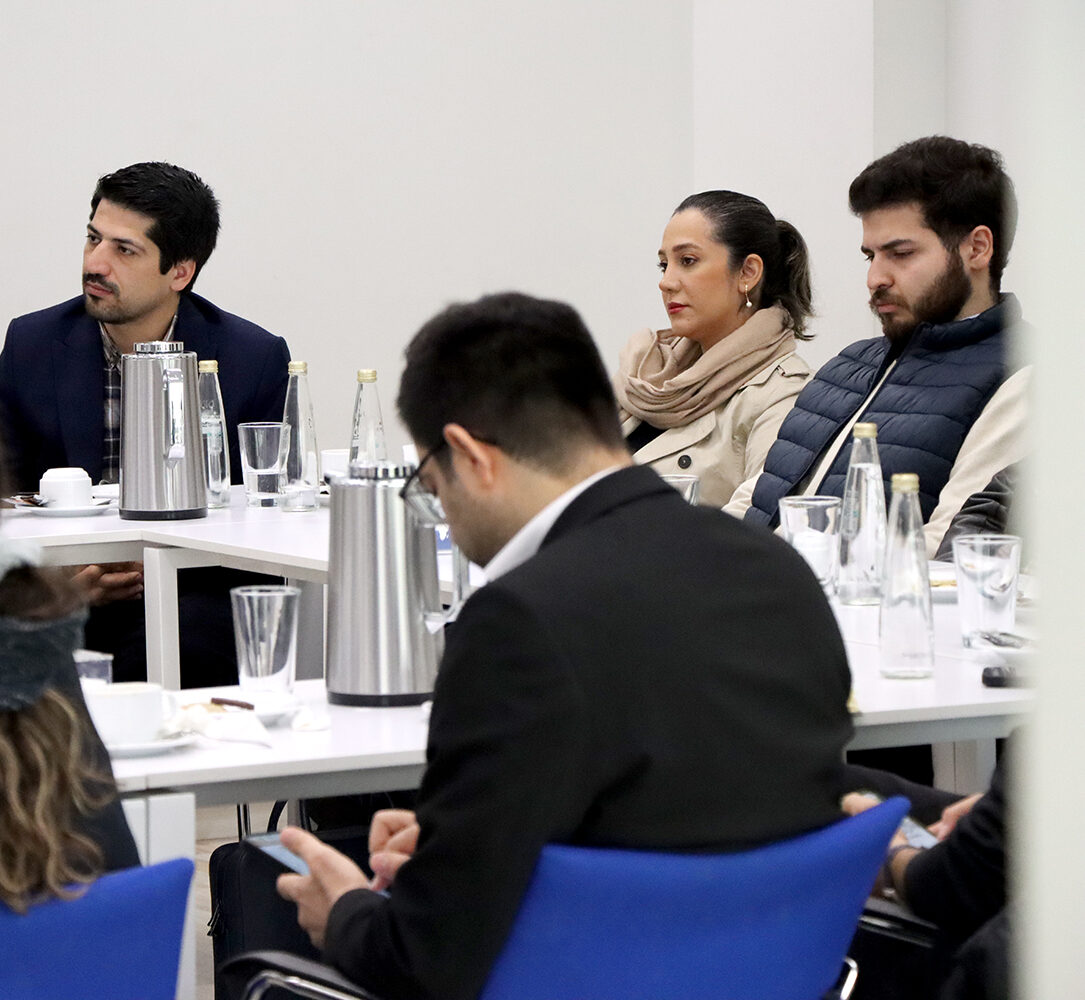
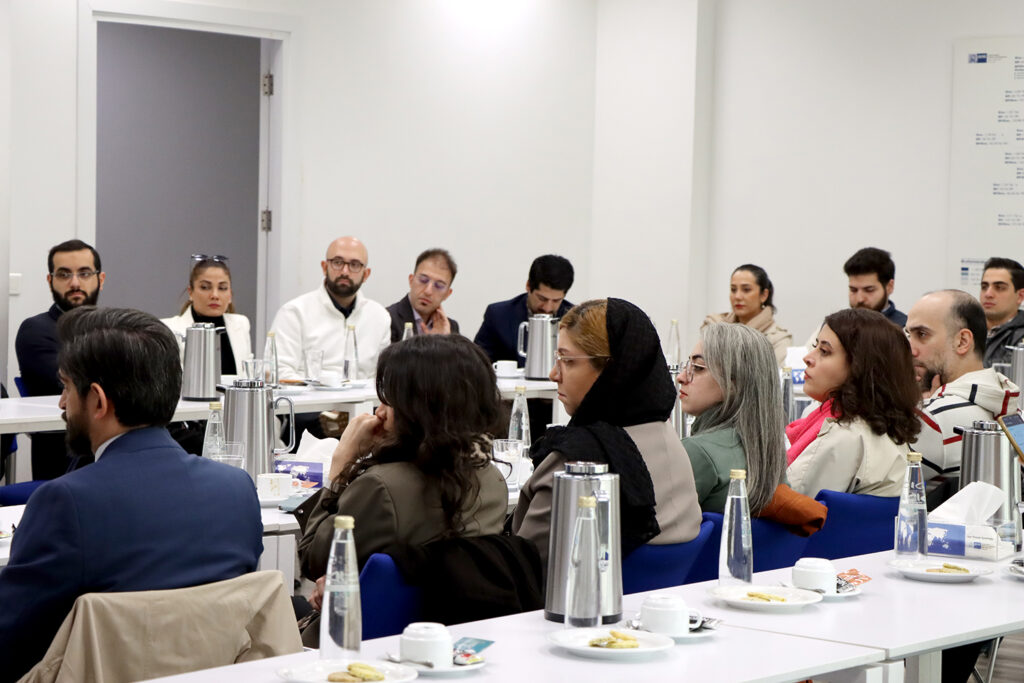
These themes were at the core of a recent roundtable discussion hosted by the Young Merchants Club of the Iran–Germany Chamber of Commerce and Industry, bringing together young business leaders and experienced policymakers to explore how private enterprises can remain connected, adaptive, and forward-looking under uncertain conditions.
A Platform for Experience Transfer and Strategic Dialogue
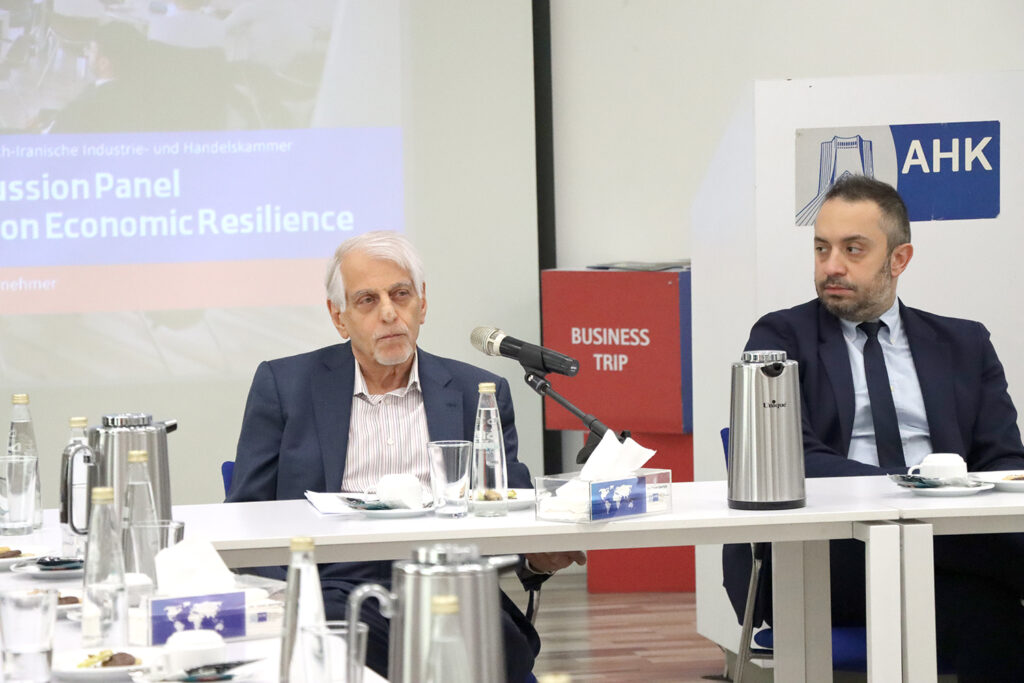
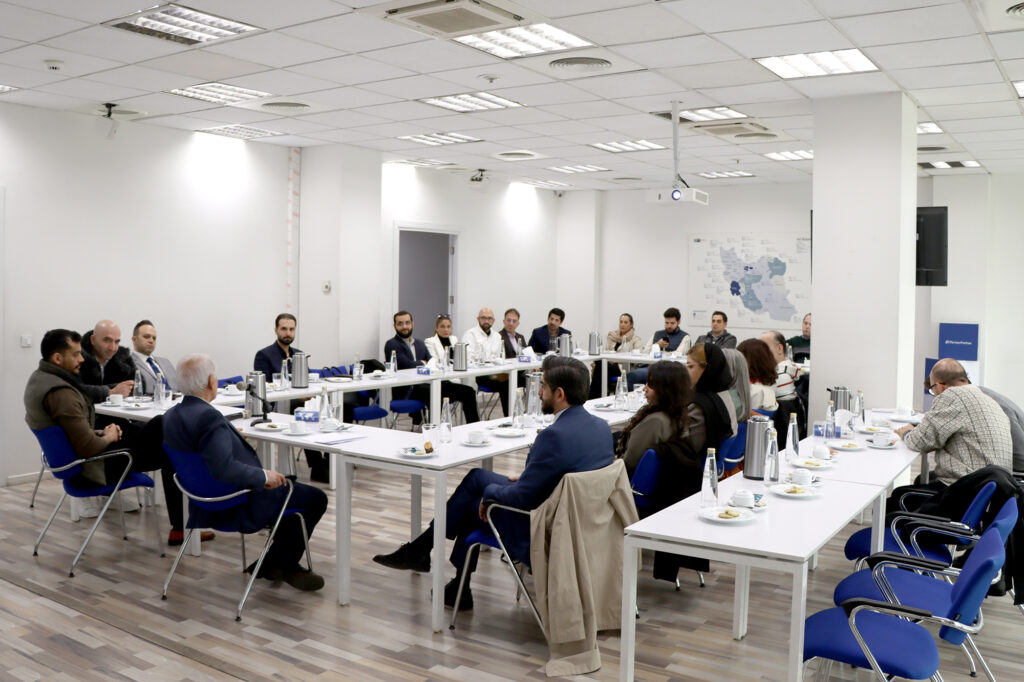
The session welcomed approximately thirty members of the Young Merchants Club and featured Ali Majedi, Senior Advisor for International Affairs to the Chamber, former Iranian Ambassador to Germany and Japan, and a veteran executive in the fields of energy and macroeconomic policy.
His presence underscored the importance of intergenerational knowledge transfer. In complex economic environments, experience gained through diplomacy, international negotiations, and institutional leadership offers valuable perspective for younger private-sector actors navigating today’s markets.
Understanding Economic Resilience Beyond Survival
A key message emerging from the discussion was that economic resilience should not be interpreted merely as the ability to endure pressure. Rather, it involves:
- Strategic anticipation of economic and political shifts
- Maintaining professional international relationships during downturns
- Preserving institutional credibility and long-term trust
- Building flexible business models capable of rapid adjustment
In this context, resilience becomes an active process—one that requires planning, engagement, and continuous learning.
The Role of the Private Sector in Sustaining International Ties
One of the central discussion points was the role of the private sector in maintaining international economic engagement when formal channels face constraints. Unlike governments, private enterprises often retain the flexibility to sustain dialogue, explore niche markets, and cultivate long-term partnerships.
The Iran–Germany Chamber of Commerce and Industry was highlighted as a key institutional bridge, preserving communication channels with European counterparts and positioning its members for future cooperation when conditions allow.
Europe, SMEs, and Realistic Engagement
Drawing on his diplomatic and economic experience, Ali Majedi emphasized the importance of realism in international trade relations—particularly with European markets. Rather than focusing solely on large-scale projects, he highlighted the strategic value of small and medium-sized enterprises (SMEs) as sustainable and adaptable partners.
SMEs, he noted, often possess the agility and specialization required to navigate regulatory complexity, build trust incrementally, and maintain continuity during periods of uncertainty.
Strategic Thinking in Times of Uncertainty
Another recurring theme was the necessity of strategic thinking. In volatile environments, reactive decision-making can undermine long-term positioning. Participants discussed the importance of scenario planning, diversified market exposure, and institutional learning.
For young business leaders, this means investing not only in operational capabilities, but also in analytical frameworks that allow them to interpret signals from global markets and policy environments.
Interactive Dialogue and Practical Insights
The latter part of the session was dedicated to open dialogue and questions from club members. Topics ranged from the future of Iran’s foreign trade to practical advice on professional engagement with international partners.
This exchange reinforced the value of such forums as learning spaces—where macro-level analysis meets practical, experience-based insight.
The Mission of the Young Merchants Club
The Young Merchants Club of the Iran–Germany Chamber of Commerce and Industry is a professional network composed of Iranian and German managers and entrepreneurs under the age of forty. Through roundtables, workshops, and interactive events, the Club aims to:
- Strengthen professional skills and strategic awareness
- Expand international business networks
- Facilitate experience transfer between generations
- Prepare young leaders for future economic cooperation
Conclusion: Preparing for the Future Through Connection
The discussions highlighted a fundamental truth: economic resilience is built long before crises occur. It is shaped through relationships, strategic thinking, and institutional platforms that enable dialogue even in challenging times.
For young private-sector leaders, engaging in such forums is not only an opportunity for learning—it is an investment in future readiness. As global conditions evolve, those who maintain perspective, adaptability, and international connection will be best positioned to contribute to sustainable economic cooperation.
Written by Amin Forouzesh, Digital Transformation Consultant
aminforouzesh.ir
👉 Read the full story at diihk