
Introduction
For more than two decades, SEO (Search Engine Optimization) has been the backbone of digital marketing. Brands invested heavily in keyword research, backlink strategies, and content structuring to climb search engine rankings. However, the landscape is rapidly evolving. With AI and the Future of SEO, traditional practices are becoming less effective, and marketers must adapt to a data-driven, intelligent approach.
Artificial Intelligence (AI) is no longer a futuristic concept; it is actively transforming how search engines understand user intent, rank content, and deliver personalized results. The integration of AI into SEO means that strategies must focus less on mechanical optimization and more on context, relevance, and user experience.
As Amin Forouzesh, Digital Transformation Consultant, I have observed that businesses embracing AI in their SEO strategies are not only surviving but thriving in this new era.

How AI is Transforming SEO
Understanding AI in Search Engines
Search engines like Google, Bing, and emerging platforms use AI-driven algorithms such as RankBrain, BERT, and MUM to interpret search queries with unprecedented accuracy. These algorithms analyze context, semantics, and user intent rather than just matching keywords.
- RankBrain interprets complex queries and predicts the most relevant results.
- BERT understands the nuances of language, including prepositions and conjunctions, providing more accurate search results.
- MUM (Multitask Unified Model) can analyze text, images, and videos simultaneously to deliver holistic answers.
The result: traditional SEO tactics, such as keyword stuffing or link farming, are increasingly ineffective. AI prioritizes high-quality, relevant content that aligns with real user needs.
Predictive and Personalized SEO
AI allows search engines to anticipate user behavior and preferences. By analyzing large datasets, AI predicts which content a user is most likely to engage with. This creates opportunities for marketers to:
- Personalize content recommendations
- Optimize landing pages for specific audience segments
- Anticipate emerging trends and queries before they go mainstream
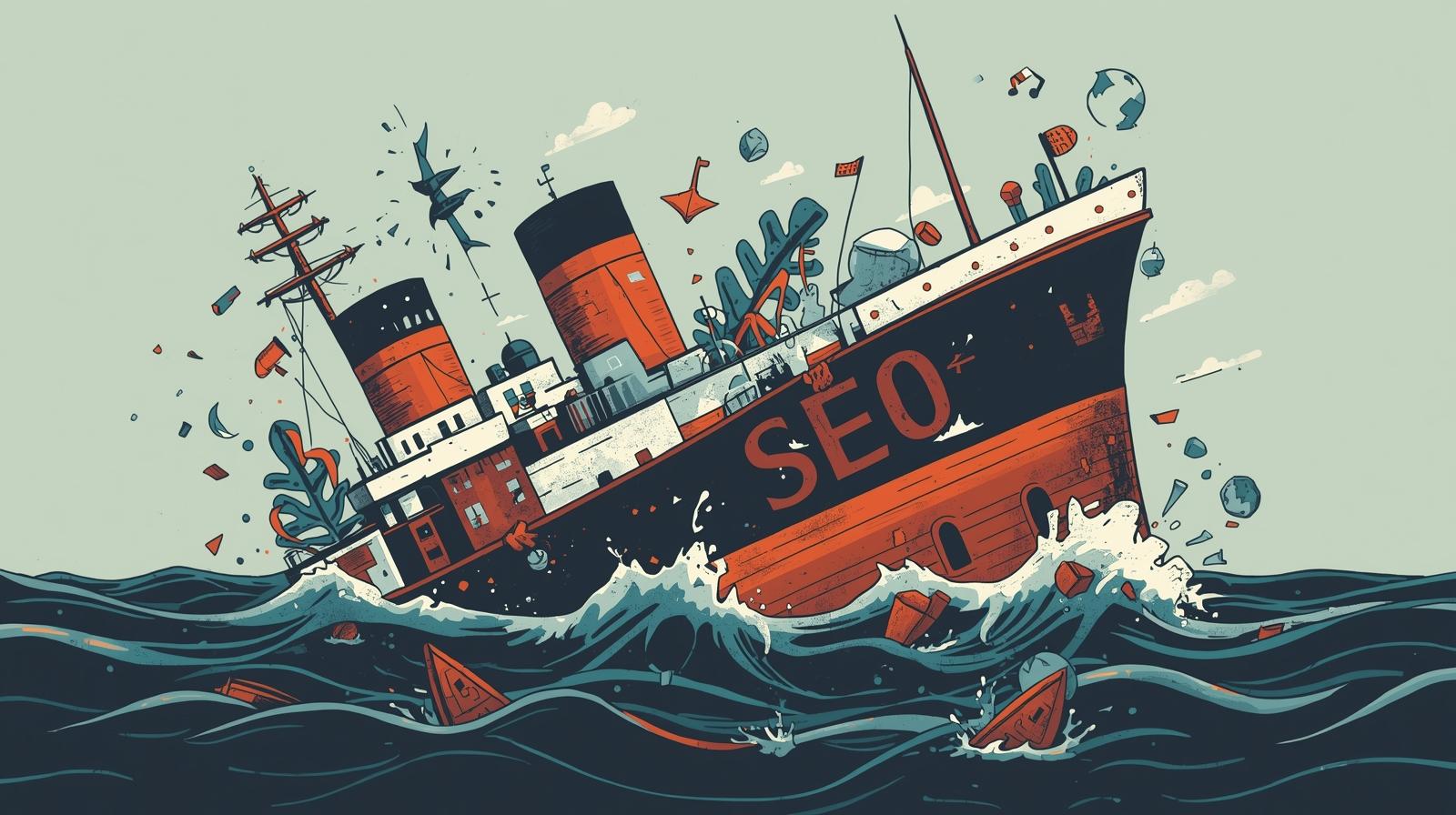
The Decline of Traditional SEO Practices
Traditional SEO relied heavily on:
- Keyword Density: Excessive use of specific keywords to manipulate rankings
- Backlink Quantity: Accumulating as many links as possible, regardless of quality
- Rigid Content Structure: Optimizing headings, meta tags, and URLs mechanically
While these techniques once delivered results, AI-powered search algorithms now prioritize context, authority, and user satisfaction. Websites that continue to focus purely on keyword metrics risk losing visibility.
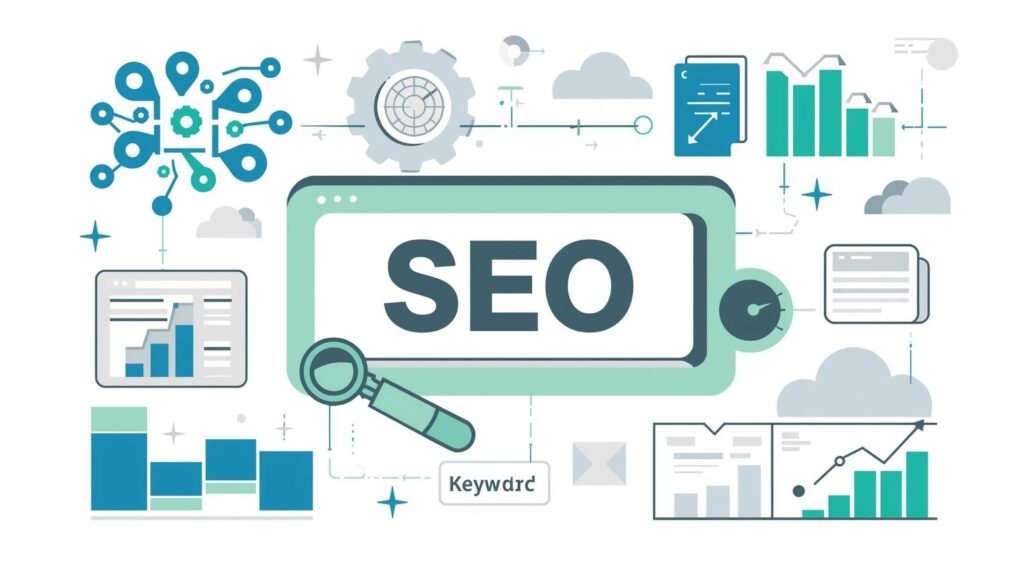
AI-Powered Content Optimization
One of the most significant changes in SEO is AI-driven content optimization. Tools powered by AI can:
- Suggest content topics based on trending queries and search intent
- Generate SEO-friendly headlines and meta descriptions
- Optimize on-page structure and internal linking
- Analyze competitor strategies and gaps in real-time
For example, AI tools can scan thousands of top-ranking pages for a target keyword, identify common patterns, and recommend improvements in tone, structure, and readability. This data-driven approach ensures content aligns with both search engine algorithms and audience expectations.
Case Studies and Real-World Examples
Example 1: News Platforms
Leading news websites have leveraged AI to optimize headlines and content in real-time. During breaking news events, AI tools can identify trending topics, suggest keywords, and even create drafts of articles, helping publishers maintain top search visibility.
Example 2: E-commerce Brands
AI-driven SEO tools allow e-commerce sites to predict which product pages will perform best based on historical search data and user behavior. This has led to increased organic traffic, higher conversion rates, and reduced bounce rates.
Example 3: Digital Marketing Agencies
Agencies integrating AI into their workflow report faster content production cycles, more accurate performance predictions, and improved ROI for clients. These examples highlight the competitive advantage of early AI adoption.

Challenges and Ethical Considerations
Despite its transformative potential, AI in SEO presents several challenges:
- Content Authenticity: AI-generated content can be high-quality but risks lacking originality or human nuance.
- Algorithm Dependence: Over-reliance on AI may reduce human creativity in strategy development.
- Bias and Transparency: AI models trained on limited datasets may inadvertently propagate bias.
- Privacy Concerns: AI-driven personalization relies on user data, which must be ethically managed.
Successful SEO strategies require balancing AI automation with human oversight, creativity, and ethical responsibility.
Future Outlook: SEO in an AI-Driven World
The future of SEO will be shaped by a collaborative approach between humans and AI:
- Content Strategists focus on storytelling, context, and brand voice
- AI Tools handle data analysis, competitor research, and performance prediction
- Search Engines evolve to reward high-quality, authoritative, and relevant content
Marketers who embrace this shift will find themselves ahead of the curve. SEO is no longer about chasing algorithms—it’s about understanding intent, predicting trends, and creating value for users.
By 2030, AI-driven SEO will be the standard. Brands that ignore this transformation risk irrelevance in an increasingly competitive digital landscape.
Conclusion
AI and the Future of SEO is not just a technological upgrade—it’s a paradigm shift. Traditional tactics like keyword stuffing, link farming, and mechanical content optimization are losing effectiveness. AI empowers marketers to create relevant, personalized, and data-driven strategies that align with evolving search engine algorithms.
For organizations, this means:
- Rethinking content creation
- Integrating AI-powered tools
- Balancing automation with human creativity
As Amin Forouzesh, Digital Transformation Consultant, I believe businesses that adapt to this AI-driven SEO landscape will outperform competitors, enhance digital visibility, and deliver meaningful experiences to users.
👉 Learn more about digital transformation and AI strategies at aminforouzesh.ir