
Introduction
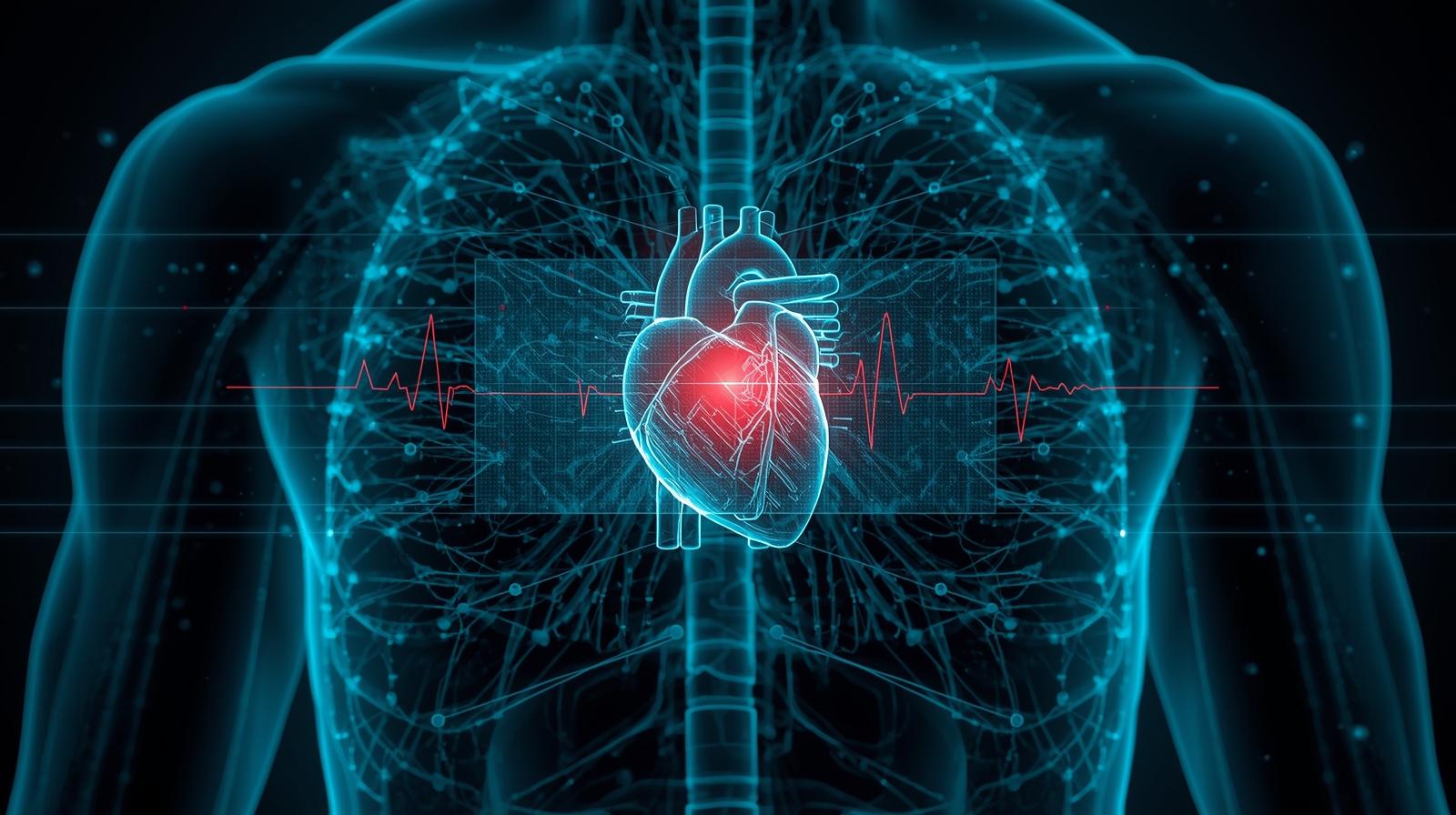
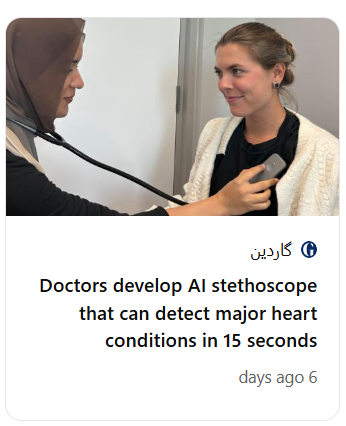
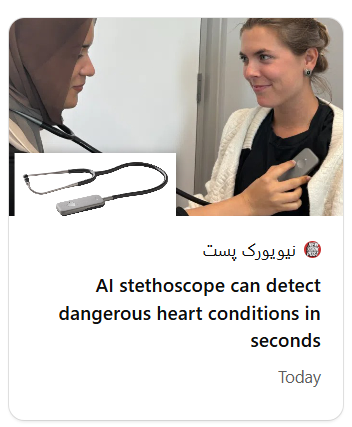
The stethoscope has long been the symbol of medicine, representing the trusted relationship between doctor and patient. But in 2025, the AI stethoscope in healthcare is redefining what this tool can achieve. With the ability to detect dangerous heart conditions in seconds, AI-powered stethoscopes may become one of the most transformative innovations in modern medicine.
Unlike traditional devices that simply amplify sound, the AI stethoscope combines machine learning algorithms with acoustic and ECG data to diagnose diseases more accurately than ever before. As healthcare systems struggle with rising patient numbers and complex conditions, this innovation could bridge the gap between human expertise and digital intelligence.
As Amin Forouzesh, Digital Transformation Consultant, I believe this technology illustrates the future of AI in healthcare: data-driven, fast, and accessible.
Understanding the AI Stethoscope
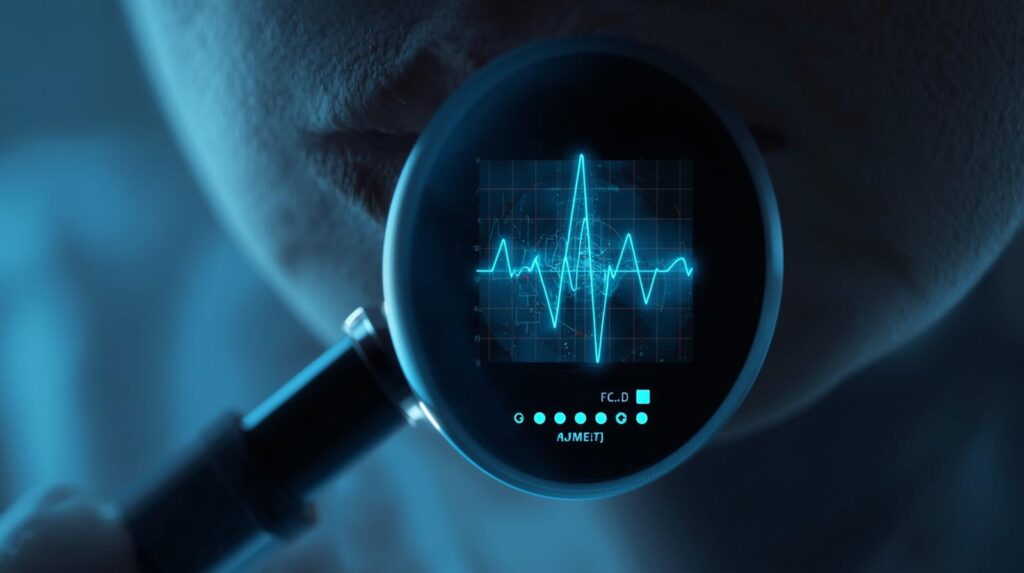
The AI stethoscope is not just an upgraded listening device—it is a diagnostic assistant. Equipped with advanced sensors, it records heart sounds and electrical signals simultaneously. These recordings are uploaded to cloud servers, where AI algorithms analyze patterns undetectable to the human ear.
Within seconds, the device can alert physicians to potential conditions such as:
- Heart failure
- Atrial fibrillation (AFib)
- Valve abnormalities
This combination of real-time analysis and AI-driven insight transforms a routine check-up into a powerful diagnostic process.
Why AI Stethoscope Matters After a Crisis
Healthcare systems often face extreme stress after crises such as pandemics, wars, or natural disasters. Doctors are overburdened, patients lack access to specialists, and early warning systems often fail.
The AI stethoscope in healthcare provides several critical advantages:
- Scalability: Nurses and general practitioners can use it in remote areas, reducing dependency on cardiologists.
- Speed: In just 15 seconds, it provides insights that might otherwise take hours or require expensive equipment.
- Accessibility: It enables primary care physicians to make informed decisions, even without advanced imaging technologies.
In post-crisis recovery, where rapid diagnosis saves lives, this tool could be essential.

Case Studies and Real-World Evidence
1. The Imperial College London Study
Researchers at Imperial College London tested the AI stethoscope on over 12,000 patients. Results showed:
- 2x more accurate detection of heart failure
- 3x better accuracy in identifying atrial fibrillation
- Nearly 2x improvement in detecting valve disorders
This demonstrates how AI in cardiology can outperform traditional diagnostic approaches.
2. Pandemic Response and Wearables
During COVID-19, wearable devices like Apple Watch and Oura Ring collected massive amounts of cardiovascular data. Integrating AI stethoscopes with these devices could create a powerful ecosystem for continuous monitoring and early intervention.
3. Rural Healthcare in Developing Nations
In areas with limited access to cardiologists, AI stethoscopes allow frontline healthcare workers to screen patients efficiently. This reduces unnecessary referrals while ensuring that critical cases receive specialist care.
Benefits of AI Stethoscope in Healthcare
1. Faster Diagnosis
Traditional stethoscope examinations depend on physician expertise, which varies significantly. AI eliminates this variability by analyzing vast amounts of data instantly.
2. Improved Accuracy
AI detects subtle anomalies invisible to human perception. Early diagnosis means patients receive treatment before conditions worsen.
3. Cost-Effectiveness
Compared to echocardiograms or MRIs, the AI stethoscope provides affordable, immediate insights. This reduces healthcare costs at scale.
4. Empowering Primary Care
Family doctors and nurses can perform advanced diagnostics without needing specialist intervention. This decentralizes healthcare and increases efficiency.
5. Data-Driven Insights
Each exam contributes to a growing dataset, which strengthens the AI system over time, improving outcomes globally.

Challenges and Ethical Considerations
Despite its promise, the AI stethoscope faces challenges:
- Adoption Resistance: A study found that 70% of doctors stopped using the tool after one year, citing workflow disruptions.
- Privacy Concerns: Patient heart data is sensitive and must be protected.
- Over-Reliance on AI: Physicians must balance AI insights with their clinical judgment.
- False Positives: Overdiagnosis could lead to unnecessary treatments.
Building trust in AI tools will require transparent data practices, physician training, and patient education.
Future Outlook: AI and the Connected Health Ecosystem
The AI stethoscope is just the beginning. Imagine a healthcare ecosystem where:
- Wearables like Apple Watch track continuous heart rhythms.
- AI stethoscopes provide instant diagnostic confirmation.
- Cloud-based platforms aggregate global patient data.
- Predictive analytics prevent crises before they occur.
By 2030, AI-powered diagnostics could become as routine as blood pressure checks, creating a world where prevention replaces reaction in healthcare.
Conclusion
The AI stethoscope in healthcare represents a paradigm shift in medicine. From detecting heart disease in seconds to empowering frontline doctors, it is more than a gadget—it is a lifesaving companion in modern healthcare.
Every heartbeat generates data, and with AI, that data becomes knowledge. In times of crisis and beyond, this knowledge saves lives.
As Amin Forouzesh, Digital Transformation Consultant, I see the AI stethoscope as a symbol of the future: where technology, data, and humanity converge to build healthier, more resilient societies.
👉 Explore more insights about AI, digital transformation, and healthcare innovation at aminforouzesh.ir.